How to Accurately Gauge Your RPE
Practical tips and strategies to ensure your RPE ratings are accurate and honest, avoiding common pitfalls like ego lifting.
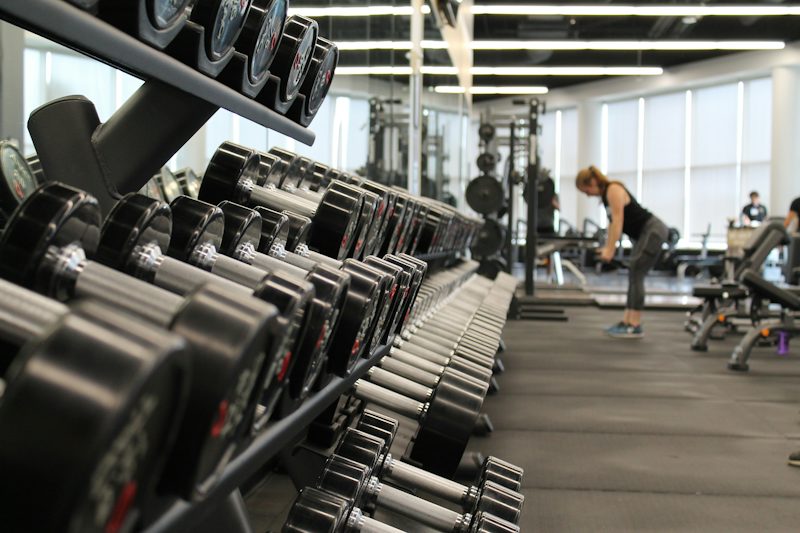
One of the biggest criticisms of RPE (Rate of Perceived Exertion) is that it is subjective. Critics argue that lifters, especially beginners, cannot accurately judge how many reps they have left in the tank. They either overestimate their abilities (ego lifting) or underestimate them out of fear.
While gauging RPE does take practice, there are objective ways to calibrate your internal gauge.
The Problem with Subjectivity
If you ask a novice lifter how a set felt, they might say "RPE 10!" Even though the bar moved fast and their technique was flawless. Conversely, an experienced lifter might grind a rep to an absolute standstill and claim it was an "RPE 8.5."
To use RPE effectively, we need to anchor it to objective reality.
Strategy 1: Video Analysis
This is the gold standard for calibrating RPE.
- Record your working sets. Set up your phone at a consistent angle.
- Perform the set.
- Guess the RPE immediately. Before looking at the video, ask yourself how many reps you had left.
- Watch the video. Does the bar speed match your internal feeling? If you claimed it was an RPE 9, the last rep should look noticeably slower than the first, and a grinder. If the bar flew up, you probably underestimated your RIR (Reps in Reserve).
Strategy 2: AMRAP Sets (As Many Reps As Possible)
Periodically testing your true limits is essential. You cannot know what "2 reps left" feels like if you have never experienced "0 reps left."
Once every training block, perform an AMRAP set on a secondary exercise.
- Guess your RPE during the set. For example, think "Okay, this is RPE 8, I should have 2 left."
- Then, keep going. Did you get exactly 2 more? Did you get 5 more?
This feedback loop is crucial for dialing in your accuracy.
Strategy 3: Focus on Bar Speed
Bar speed is strongly correlated with RPE. As you approach failure, velocity drops exponentially.
| RPE Range | Typical Bar Speed Characteristic |
|---|---|
| 6 - 7 | Explosive. All reps look nearly identical in speed. |
| 8 | Slight slow down on the final rep, but still moves smoothly. |
| 9 | Noticeable slow down. The 'sticking point' becomes obvious. |
| 10 | A true grinder. Several seconds to complete the rep. |
Some lifters even use velocity-based training (VBT) devices to track bar speed objectively, creating a perfect correlation with their RPE ratings. However, with practice, your eyes and body become the best VBT devices available.
If you ever find yourself struggling to pick weights based on RPE, fall back to our Calculators to establish a baseline based on your recent performance.
Ready to run the numbers?
Get your result instantly — private, in your browser.